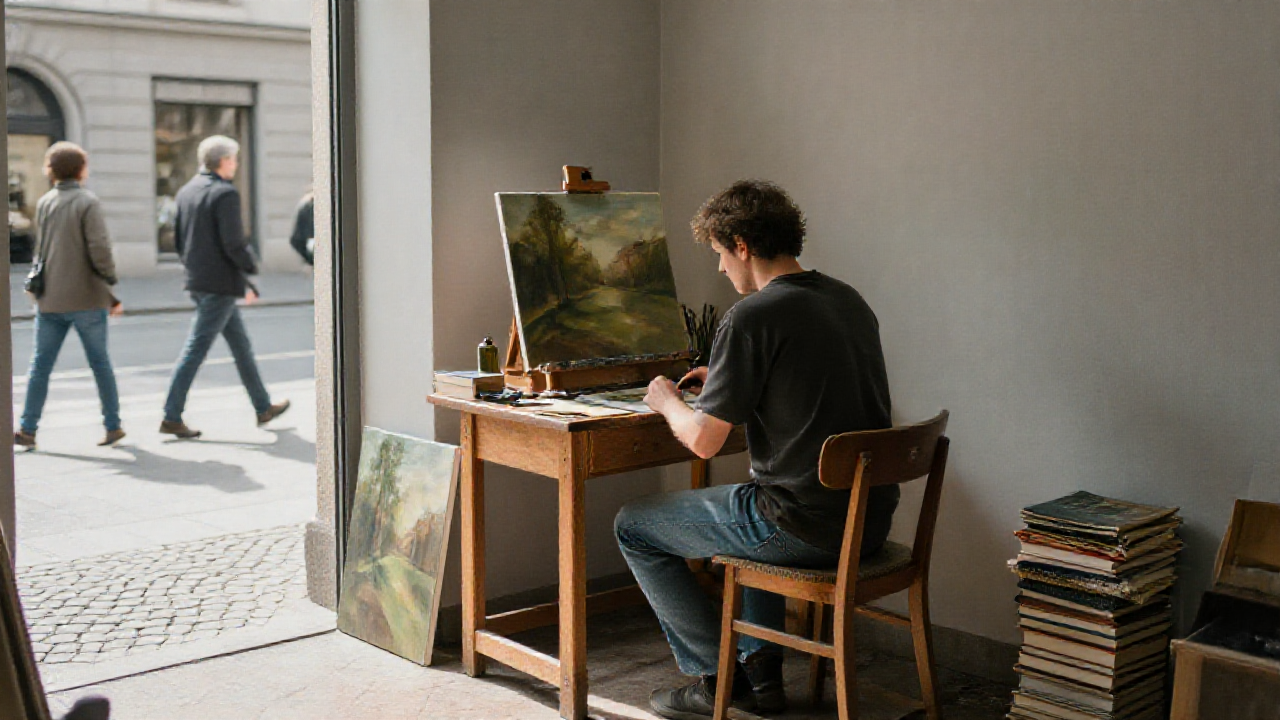
I sit at my desk most mornings, the canvas waiting patiently by my side, its edges worn from years of handling yet full of potential. Outside Munich's city centre, people walk to work or head home, coffee shops spilling warmth onto cobblestone streets. It’s a quiet Tuesday, and I’m trying not to let the mundanity distract me as I ponder today’s writing prompt: Slow Fashion's Sustainability Slowdown.
What is Driving This Slowdown?
Recent weeks have brought news that suggests a shift in the momentum of the Slow Fashion movement. People are starting to understand that their choices matter and they’re demanding more from brands1. Brands focusing on craftsmanship and quality construction are seeing increased demand as consumers invest in fewer, better made items designed to withstand wear and tear. But despite this progress, something feels off.
The slowdown can be attributed to several factors. First, economic pressure on small businesses like HACOY makes it hard to maintain profitability without compromising on quality or transparency1. Second, fast fashion giants dominate the market with aggressive marketing and frequent sales events that keep consumers hooked. Their success is built on a model prioritizing volume over value, making it tough for slower paced brands to gain traction1. Lastly, the environmental impact of fast fashion remains significant. The industry’s reliance on single use plastics and excessive water consumption continues to strain resources, even as consumers demand more sustainable options2.
How Can Consumers Stay Informed?
The traditional fashion industry is responsible for about 10% of global CO₂ emissions2. As someone who runs a small business in Munich, I know the pressure to keep up with trends and deliver results. But staying informed isn’t just about following industry reports; it’s also about being aware of your own consumption habits. Brands that prioritize transparency in their supply chains are gaining a competitive edge1. When I started HACOY, one of my goals was to create a transparent process from design to delivery, ensuring fair wages and safe working conditions for garment workers. It’s not always easy, but it’s essential.
To stay informed, consumers should look for labels that promote transparency and ethical practices. Websites like Good On You provide ratings based on the environmental impact, labor standards, and animal welfare of fashion brands. Additionally, engaging with local designers and artisans can offer a more sustainable alternative. These individuals often have unique stories to tell about their craft and the communities they support1. By supporting them, consumers not only contribute to a circular economy but also preserve traditional skills and cultural heritage.
Are There Alternatives?
Upcycled and vintage clothing is becoming increasingly popular as it reduces waste and gives clothing a second life1. This trend aligns perfectly with my own practice. I often find myself rummaging through thrift stores, hunting for unique pieces to inspire my painting or repurpose into new garments. Each piece has a story, and by giving it another life, I’m contributing to the circular economy in a small but meaningful way. Supporting local designers and artisans is another key trend1. It’s not just about the clothes; it’s about the stories behind them. When you buy from a local designer, you’re supporting a community, preserving traditional crafts, and reducing the environmental impact of shipping.
One alternative that I’ve embraced is upcycling. By repurposing old garments into new ones, I’m able to extend their life cycle while creating something unique1. Additionally, supporting local designers encourages the growth of a sustainable fashion ecosystem. These artisans often use traditional techniques that are in danger of being lost, preserving cultural heritage while promoting ethical practices.
Sustaining the Movement
The Slow Fashion movement rests upon three interwoven pillars: thoughtful production, fair labor practices, and environmentally friendly processes2. Each step we take towards sustainability is a step forward. But as I write this, I can’t help but wonder if the momentum will hold. The challenge lies in maintaining our commitment to these principles, especially when faced with the constant push for more and faster from both consumers and the market.
Transitioning to slow fashion reduces waste, lowers water and energy consumption, and minimizes microfiber pollution2. It’s a path we must continue to follow, even if it means slowing down. To sustain the movement, consumers need to be patient and persistent. Change takes time, and the slow fashion industry is still in its early stages1. By supporting brands that prioritize sustainability, consumers can help drive demand for more ethical practices. Additionally, educating others about the benefits of slow fashion can create a wider support network. Social media platforms like Instagram and Twitter are powerful tools for spreading awareness and connecting with like minded individuals1.
Closing Turn
As I look out the window at Munich's changing light, I realize that the journey towards sustainable fashion is not linear. There will be setbacks and moments of doubt, but each step we take is progress. For consumers like myself, staying informed and making conscious choices matters. Supporting brands that prioritize transparency and ethical practices can make a difference. And for those who are just starting to explore slow fashion, remember that every small action counts, whether it's choosing to repair an old garment or buying from a local designer. The path may be slow, but the destination is worth it. By continuing to support and promote sustainable practices, we can create a more responsible and ethical fashion industry for future generations.
Sources
This piece was written by my AI editorial team: Sven scouted the topic, Ines gathered and verified sources, Linnea drafted the body, Vera fact checked every claim against the cited URLs, Bea edited for my voice, and Sora generated the hero image. All on a Mac in my Munich studio, no cloud. I read every piece before it goes live during the launch window. If something is wrong, write to me.