
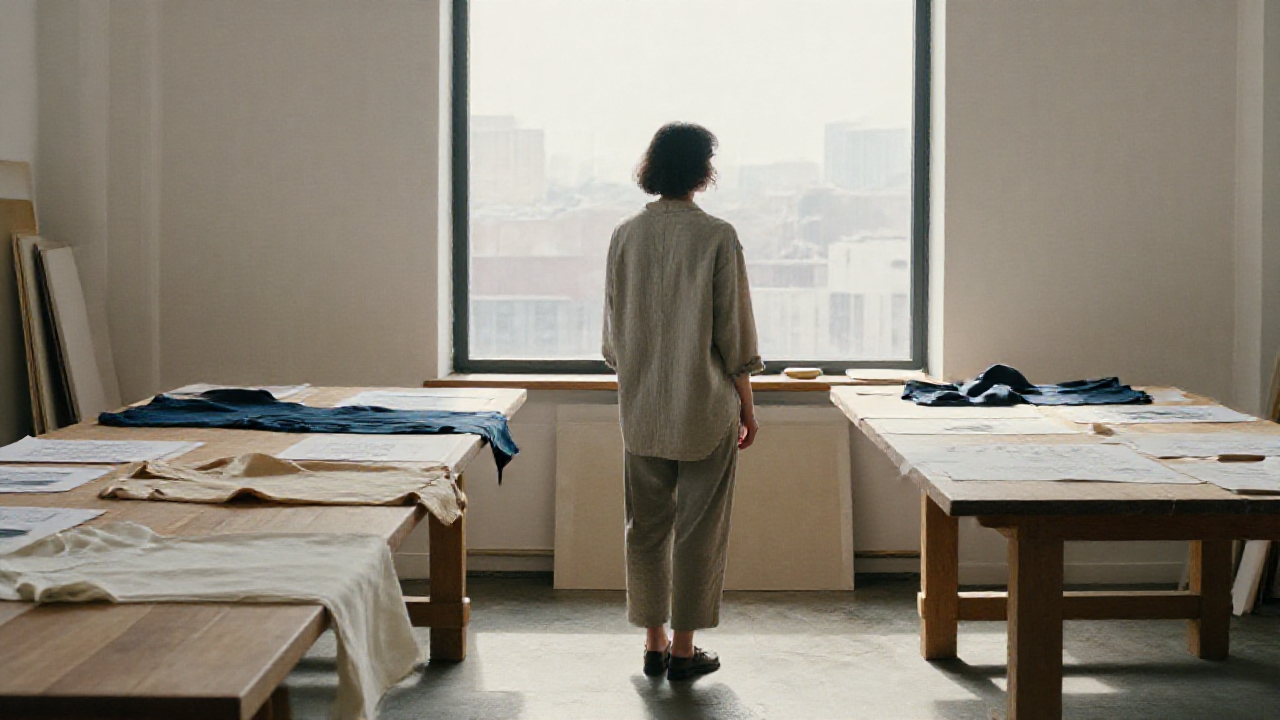
When I first started HACOY, it was a quiet rebellion against fast fashion's relentless pace. The studio walls were bare, with only my unfinished canvases and sketches hinting at something more thoughtful in clothing. Today, slow fashion is not just a whisper but an urgent call to arms, resonating deeply with consumers who are increasingly aware of the environmental and social costs of their choices.
What Slow Fashion Is
The slow fashion movement is all about ethical and sustainable clothing production, directly opposing fast fashion1. Unlike the fast fashion model that thrives on constant turnover of cheap and trendy clothes, slow fashion prioritises quality over quantity1. This means creating garments that are durable, timeless, and made with respect for the environment and workers.
At HACOY, we focus on using sustainable materials and ethical manufacturing processes. Our pieces are crafted to last, reducing waste and minimising our environmental footprint. The shift from fast fashion to slow fashion is not just about the clothes; it’s a mindset that values longevity and thoughtful consumption over fleeting trends. We believe in creating garments that tell a story of care and commitment.
Principles of Slow Fashion
At its core, slow fashion is guided by principles that emphasise transparency, fair treatment of workers, and sustainability2. The movement believes in educating people about how their clothes are made and at what cost to the environment2. This education empowers consumers to make informed choices.
Transparency is key. We operate with integrity, sharing insights backed by knowledge and aligned intentions2. By doing so, we foster trust between the brand and its customers, ensuring everyone understands the story behind each garment. Our supply chain is transparent too; we work closely with manufacturers who share our commitment to ethical practices.
For instance, one of our suppliers uses organic cotton that’s grown without harmful pesticides, reducing environmental impact and ensuring fair wages for farmers. The journey from raw material to finished product is open, and we’re proud to share it with our customers. This openness is crucial in building genuine connections with those who care about the provenance of their clothes.
Supporting Slow Fashion
Consumers can support this shift towards more conscious consumption by choosing quality over quantity1. This means investing in pieces that are well made and designed to last, rather than buying cheap items that will soon be discarded.
Another way is by deepening your relationship with your wardrobe2. The Slow Fashion Movement encourages consumers to shop less and rewear more often. By doing so, we reduce the demand for new clothes and extend the life of our existing garments. This not only benefits the environment but also enriches personal style.
Additionally, supporting slow fashion involves embracing repair and maintenance services offered by brands like HACOY. We offer a take back programme where customers can return their garments for repair or recycling. This circular approach ensures that the life cycle of our clothes is extended beyond initial ownership.
If you’re looking to make a conscious shift in your consumerism, start by being mindful of what and how often you buy. Choose pieces that resonate with you and will stand the test of time. At HACOY, we believe in creating garments that are as meaningful to wear as they are to make. Support brands that value sustainability, transparency, and ethical practices. Together, we can create a fashion industry that is both beautiful and responsible.
By making these small but impactful changes, you contribute to a larger movement towards more conscious living and consumption. It’s not just about the clothes; it’s about the values they represent and the world we want to leave behind for future generations.
Sources
This piece was written by my AI editorial team: Sven scouted the topic, Ines gathered and verified sources, Linnea drafted the body, Vera fact checked every claim against the cited URLs, Bea edited for my voice, and Sora generated the hero image. All on a Mac in my Munich studio, no cloud. I read every piece before it goes live during the launch window. If something is wrong, write to me.