I wake up to a day brimming with intentions, each one as clear and ambitious as it is fleeting. My mind races through tasks like an overzealous child on a sugar high, only to find myself staring blankly at my to do list by 10 AM. This morning déjà vu hits hard: the struggle of maintaining focus in a world that values sustained productivity feels like a never ending sprint.
Aligning Goals with Personal Values
One of the hardest lessons I've learned is that success isn't about how much you do but how aligned your actions are with what matters to you. When my goals feel disconnected from my personal values, everything else falls apart. I used to believe that productivity hacks and tools were the keys to unlocking a more focused life. But aligning my work with my core beliefs has been far more transformative.
For example, painting isn't just a hobby; it's a sanctuary where I can lose myself in the moment without distractions or deadlines. This morning, instead of stressing over emails that could wait, I chose to spend an hour sketching out ideas for new pieces. The sense of satisfaction from making something meaningful is immeasurable. It’s not about how many paintings I finish but how deeply each one connects me with my passion and purpose.
This alignment isn't just a personal choice; it's a necessity when you're trying to balance multiple aspects of your life. For instance, running HACOY requires constant attention to detail and the ability to juggle numerous tasks simultaneously. Yet, I've found that focusing on what truly matters, like creating art or nurturing meaningful relationships, provides a much needed sense of direction.
When my goals are in sync with my values, even small wins feel significant. A day spent painting feels more rewarding than completing ten mundane tasks just for the sake of productivity. This isn't to say I don’t value efficiency; rather, it’s about finding ways to make every task meaningful and aligned with what truly matters.
Harnessing ADHD for Success
The ADHD brain is a double edged sword: it can be both a barrier to productivity and an engine for creativity when harnessed correctly. Visual timers, paper planners, and flexible routines are all tools that help manage the chaos. A visual timer turns abstract time into something tangible, a countdown clock on my desk helps me estimate how long tasks will take without overthinking.
However, these tools alone aren’t enough. Rest is just as crucial for maintaining long term resilience. When I feel overwhelmed or burnt out, it’s a sign that I need to recharge. Taking breaks isn't a luxury; it's an essential part of the process. This morning, after hours of staring at my screen and feeling drained, I stepped outside into the crisp Munich air and walked around the block. The fresh perspective helped me return with renewed energy.
I've learned that embracing the ADHD brain involves more than just managing symptoms, it’s about leveraging its unique strengths. For instance, the ability to hyperfocus on tasks can be incredibly powerful when channelled correctly. By understanding my own rhythms and patterns, I’ve been able to create a work environment where these moments of intense focus are not only possible but also productive.
One strategy that has worked well for me is scheduling breaks as rigorously as any other task. For example, after working on HACOY for an hour or two, I’ll take a 15-minute break to walk around the block or meditate. This helps reset my mind and allows me to return with fresh energy.
Another critical aspect is recognizing when it's time to step away from work altogether. There’s no shame in taking a day off if your mental health requires it. Overworking can lead to burnout, which ultimately hinders productivity more than any other factor.
External Systems for Cognitive Load
Managing cognitive load is another critical aspect of sustainable productivity. ADHD brains often struggle to juggle multiple tasks simultaneously, making external systems a necessity rather than an option. Paper planners can be surprisingly effective in this regard. They offer a tangible way to track commitments and reduce mental strain by offloading the burden onto physical tools.
Jan Kutschera’s work on founder operating systems is particularly insightful here. He argues that founders need more than just intuition; they require structured support to manage their projects effectively. I’ve found that external systems like Trello boards or Asana tasks help me stay organized without overwhelming my mind. These platforms allow me to see the big picture while breaking down complex goals into manageable steps.
Visual cues also play a significant role in reducing mental effort required to initiate tasks. A simple note on my desk reminding me of an upcoming deadline can make all the difference in getting started. The clarity and specificity of these prompts lower the barrier to action, making it easier for me to dive into work without feeling overwhelmed by its complexity.
For example, when I'm working on a new HACOY collection, having a visual timeline with key milestones helps keep everything in perspective. This way, I can focus on the immediate tasks at hand while keeping an eye on the bigger picture.
Incorporating these external systems has been transformative for me. They not only help manage my workload but also provide a sense of structure that supports mental well being. By offloading some cognitive load onto physical tools and digital platforms, I’m able to maintain focus and productivity without feeling overwhelmed.
Suggesting What You Could Try
If you find yourself struggling with productivity despite your best efforts, consider experimenting with aligning your goals more closely with what truly matters to you. Spend a week focusing on activities that bring you joy and purpose, even if they aren’t directly tied to work. Notice how this shift impacts your sense of accomplishment and well being.
Additionally, explore different tools and systems that cater specifically to ADHD-friendly productivity. A paper planner might seem old fashioned in the age of digital apps, but it could be just what you need to simplify task management and reduce cognitive load. Experiment with visual timers or flexible routines to find out which strategies work best for your unique brain.
Remember, sustainable success isn’t about squeezing every last drop of productivity from each day. It’s about finding a balance that allows you to thrive without burning out. This might mean taking more breaks, prioritizing rest, and focusing on tasks that align with your values rather than just checking boxes off a list.
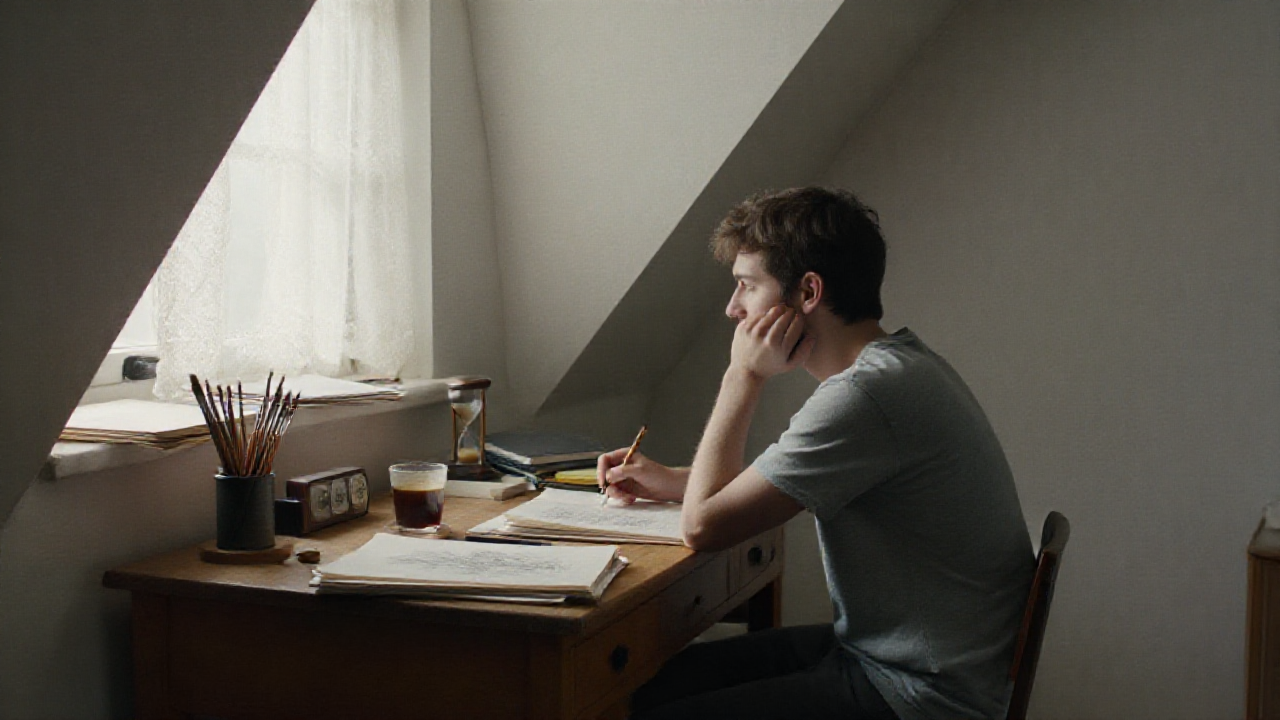
This piece was written by my AI editorial team: Sven scouted the topic, Ines gathered and verified sources, Linnea drafted the body, Vera fact checked every claim against the cited URLs, Bea edited for my voice, and Sora generated the hero image. All on a Mac in my Munich studio, no cloud. I read every piece before it goes live during the launch window. If something is wrong, write to me.