Abstract Painting: A Path to Focus and Creativity
14 August 2026
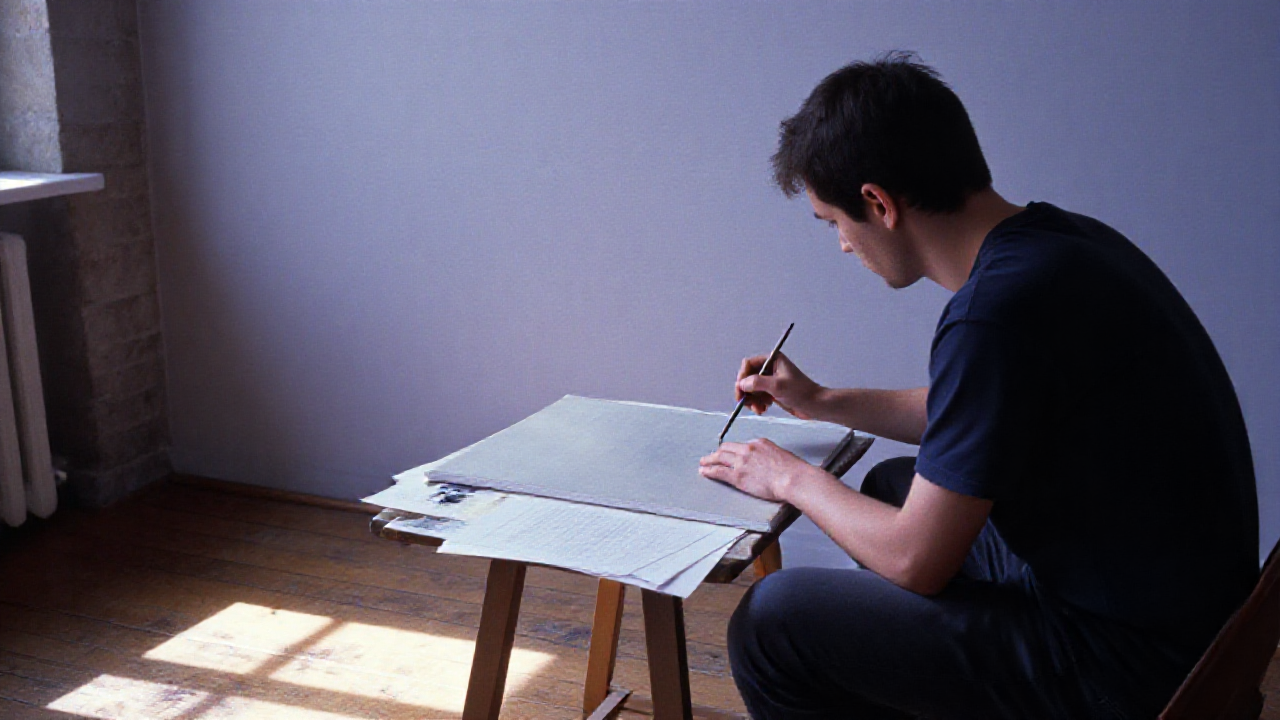
Every morning, before my coffee and phone, I sit at a small table covered in paints and paper. The room is quiet except for the sound of brushes on canvas, each stroke a deliberate act of focus. Today, as I prepare to paint, I realise that this is not just an exercise in creativity but also a method to sharpen my mind.
How Can Abstract Painting Help in Boosting Concentration?
Abstract painting offers a unique way to enhance concentration by engaging the senses and the subconscious. It requires no preconceived notions or rigid rules; instead, it invites spontaneity and intuition. This practice can be seen in the works of artists like Jackson Pollock, whose drip paintings are characterized by their dynamic energy (Jackson Pollock's drip paintings are characterized by their spontaneity and dynamic energy. https://www.hausderkunst.de/en/eintauchen/gerhard-richter-abstract-pictures-1).
When I start a new piece, the canvas is blank, waiting for my touch. This act of creation starts with a single mark, then another, gradually forming an abstract landscape that reflects not just what I see but how I feel. Abstract art allows me to explore concepts and emotions beyond traditional visual constraints (Abstract painting allows artists to explore concepts, feelings, and notions beyond traditional visual constraints. https://art-classes.co.uk/understanding-the-psychology-of-abstract-art-a-deep-dive-into-creativity).
One morning, I decided to experiment with a new color palette: deep blues and purples, mixed with white for highlights. As I applied the paint, my mind began to clear, and I found myself fully absorbed in the process. The rhythmic motion of the brush on canvas became meditative, almost hypnotic. This experience is not just about creating art; it’s about entering a state of flow where time seems to dissolve.
Abstract painting also serves as a form of mindfulness. Each stroke requires intention and attention, grounding me in the present moment. In today's fast paced world, this practice offers a respite from constant distractions (The act of creating abstract art can be meditative and help focus the mind on the present. https://www.awberyart.com/blog/create-abstract-art).
What Are Some Practical Steps to Start an Abstract Painting Practice?
To incorporate abstract painting into your daily routine, begin with simple steps that can be easily integrated into your life. First, choose a regular time and space for your practice; mine is early morning before the day's distractions take hold. Next, gather materials, paints, brushes, canvas, that are accessible and inspire you.
One practical step I've found effective is to set specific goals each session. For example, today’s goal might be exploring a particular color palette or experimenting with different brush techniques. This focus helps maintain engagement and prevents the mind from wandering (Abstract painting involves embracing spontaneity and intuition over meticulous planning. https://www.awberyart.com/blog/create-abstract-art).
Another tip is to allow yourself the freedom to make mistakes. Abstract art thrives on imperfection; each mark or layer adds depth and complexity, even if it doesn't align with your initial vision. By letting go of perfectionism, you open up a world of creative possibilities. One morning, I accidentally spilled some paint on my canvas, and instead of cleaning it up, I chose to embrace the accident. The result was a striking texture that added an unexpected dimension to my piece.
Can Regular Abstract Painting Sessions Improve One's Overall Mental Clarity?
Regular abstract painting sessions can indeed improve overall mental clarity. The act of creating something tangible from an intangible idea requires the mind to stay present and engaged. This concentration translates into other areas of life as well, enhancing focus and reducing stress (Abstract art encourages viewers to become participants in the interpretation process. https://art-classes.co.uk/understanding-the-psychology-of-abstract-art-a-deep-dive-into-creativity).
Moreover, abstract painting provides a form of meditation. As I lose myself in the strokes, the world outside fades away, leaving only the canvas and my thoughts. This practice has become a sanctuary for me, a place where I can clear my head and find peace amidst the chaos. On particularly stressful days, I turn to painting as a way to decompress and regain perspective.
One day, after a long meeting at work, I felt overwhelmed with anxiety. Instead of going home, I sat down at my table and started painting. The act of creating allowed me to channel my emotions into something productive rather than letting them fester inside me. By the end of the session, not only did I feel more relaxed, but I also had a new piece that spoke to my current state of mind.
Suggesting What You Could Try
If you're looking to incorporate abstract painting into your life as a means of enhancing focus and creativity, start small. Set aside just 30 minutes each day for this practice. Choose colors that resonate with you or explore different mediums like pastels or charcoal. Remember, the key is not to worry about creating a masterpiece but to enjoy the process of creation itself.
Engage your senses fully, feel the texture of the paint, listen to the sounds it makes as you apply it to the canvas. Allow yourself to experiment and make mistakes; each one brings new insights and discoveries. Over time, you might find that this practice not only improves your mental clarity but also enriches your life in ways you never expected.
Abstract painting is more than just a hobby for me; it’s a tool I use every day to navigate the complexities of my ADHD and maintain a sense of balance. By dedicating even a few minutes to this practice, you can tap into its therapeutic benefits and discover new dimensions of creativity and clarity in your own life.
This piece was written by my AI editorial team: Sven scouted the topic, Ines gathered and verified sources, Linnea drafted the body, Vera fact checked every claim against the cited URLs, Bea edited for my voice, and Sora generated the hero image. All on a Mac in my Munich studio, no cloud. I read every piece before it goes live during the launch window. If something is wrong, write to me.