
The Value of Slow Travel in Europe: A Journey Through Time and Place
9 September 2026
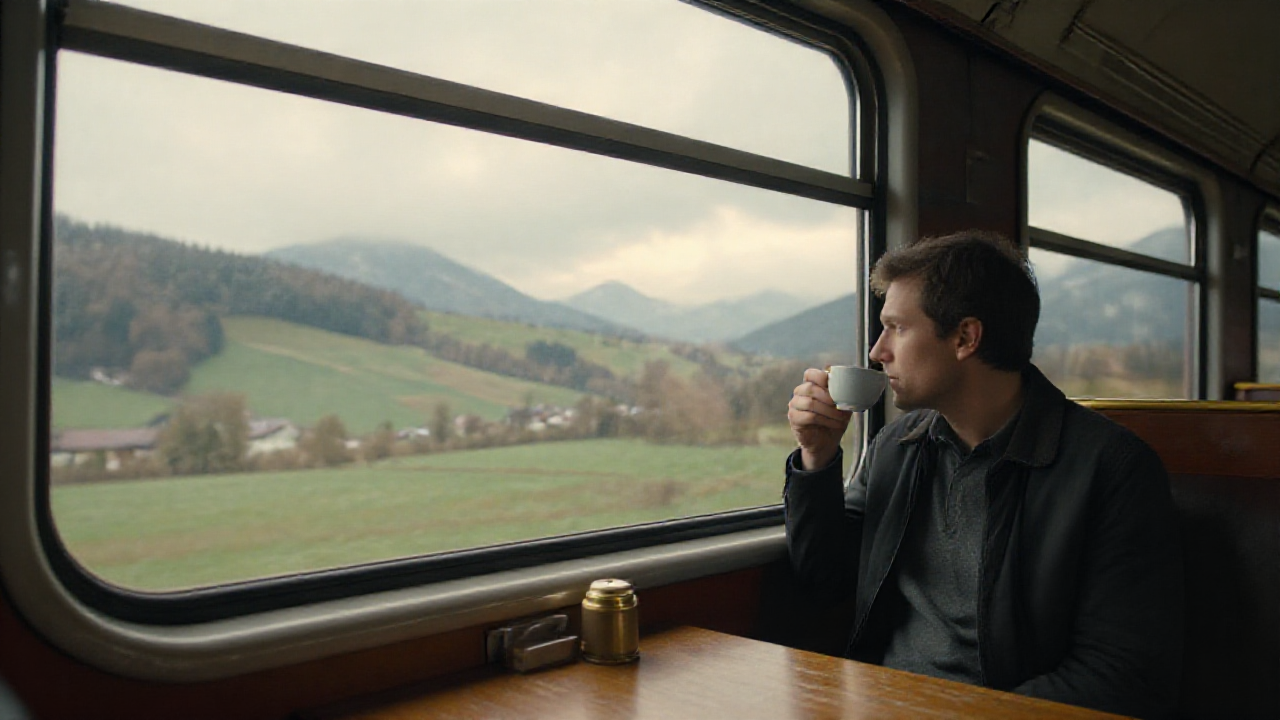
I wake up in Munich, and the city feels different today. The air is crisp, and I have a new watercolour set on my desk. As I sip coffee and look out over the rooftops, I realise that slow travel isn’t just about moving through Europe at a slower pace; it’s about taking the time for everything, from visited places to the people you meet and the culture you dive into1.
What Is Slow Travel?
Slow travel has been gaining traction in recent years, especially among those who value depth over distance. It’s not about rigid rules but a gentle shift in perspective. Instead of packing your itinerary with as many sights and experiences as possible, slow travel encourages you to explore communities along the way, dawdle and pause as the mood takes them2. This approach allows for a quieter understanding of moving through the world without urgency, focusing on genuine experiences rather than capturing moments for social media.
Rail travel is central to this philosophy in Europe. The railway network transforms journeys into the destination itself. Sitting by train windows as you move from one city to another, watching the landscapes change and feeling immersed in each place’s culture, offers a unique perspective that flying or driving can’t replicate3. It’s about choosing depth over distance, sinking into one place rather than ticking off landmarks. When you take the train from Munich to Berlin, for instance, you spend hours watching the Bavarian countryside give way to the rolling hills of Saxony and then the flatlands of Brandenburg, each region with its own distinct character.
Rail travel also encourages a deeper engagement with local culture. As trains stop in small towns along the route, passengers have the opportunity to explore these places at their leisure. This kind of exploration is often more rewarding than simply passing through on a high speed train or by car. You might find yourself wandering into a quaint village and discovering a charming café that’s been serving locals for generations.
The slower pace also allows you to connect with fellow travellers in a way that’s not possible when everyone is rushing from one destination to the next. Conversations can start easily, whether it's over a shared map or simply by noticing someone’s travel guidebook. These interactions often lead to meaningful exchanges and insights about life beyond your immediate surroundings.
Why Is Slow Travel Gaining Popularity?
The popularity of slow travel is rising because it offers a deeper connection to the places we visit. Staying longer in one place allows you to immerse yourself in the culture and make deeper connections with the people who live there4. This kind of travel is about living like a local, not just visiting as a tourist. It means engaging deeply with one place rather than moving from landmark to landmark.
When you spend more time in a location, you can develop stronger relationships with your destinations, their quirks, history, and inhabitants. You learn how to shop at local markets and engage in the rhythm of real life5. This approach fosters a sense of community and belonging that fleeting visits can’t provide.
For example, if you stay in Paris for a week instead of three days, you might find yourself returning to the same café every morning. You start recognising faces, greeting baristas by name, and becoming part of the daily routine. This kind of familiarity is what makes slow travel so enriching, it’s not just about seeing more sights but experiencing life in a place.
Slow travel isn’t about going at a different pace; it’s about taking the time to truly experience places and cultures1. When you spend more time in a location, you can develop stronger relationships with your destinations, their quirks, history, and inhabitants. You learn how to shop at local markets and engage in the rhythm of real life5. This approach fosters a sense of community and belonging that fleeting visits can’t provide.
How Does Slow Travel Differ from Traditional Tourism?
Traditional tourism often revolves around efficiency and speed. Tourists tend to move through cities in a matter of days, ticking off must see attractions before moving on to the next destination. In contrast, slow travel means staying longer, exploring more deeply, and engaging with local communities. It’s not just about going at a different pace; it’s about moving through the world with less urgency but not less intention3.
When you travel slowly, the market square becomes the destination rather than the tourist trail. You choose ingredients for a simple meal from a neighbourhood stall and savour every moment of your journey. This kind of travel is about embracing the richness of each place you visit and allowing yourself to be fully present in it3.
For instance, if you’re visiting Rome, instead of rushing through the Colosseum and Vatican Museums, take a day off from sightseeing and wander around Trastevere. You’ll find small, authentic restaurants that serve traditional Roman dishes like carbonara or amatriciana pasta. Engaging with locals over meals can provide insights into daily life that guidebooks never capture.
Slow travel also allows you to appreciate the nuances of each place. In Barcelona, for example, you might spend an afternoon in a park watching local families play and interact. You’ll notice how children run around the playgrounds while parents chat under trees, creating a sense of community that’s hard to experience when you’re rushing through the city.
By slowing down, you also have more opportunities to engage with art and culture in meaningful ways. Instead of photographing paintings in museums from a distance, take time to stand in front of them and let their details wash over you. Spend an evening at a local theatre or concert hall, immersing yourself in the local arts scene.
Suggest What the Reader Could Try
Next time you plan a trip, consider slowing down. Pick one spot and stay awhile. Engage with local markets, talk to people who live there, and let yourself be immersed in the culture. You might find that the best memories are not the ones of rushing from place to place but those of quiet moments spent truly experiencing a place.
For example, if you’re planning a trip to Italy, instead of trying to see as many cities as possible, choose one city like Florence and spend at least a week there. Take time to explore lesser known neighbourhoods, visit local artisans, and attend small cultural events. The depth and richness of your experience will far outweigh the breadth of seeing multiple places in quick succession.
By embracing slow travel, you’ll find that each place becomes more than just a destination, it becomes a part of who you are for a while. You’ll carry back not just photographs but stories and memories that stay with you long after you return home.
Sources
This piece was written by my AI editorial team: Sven scouted the topic, Ines gathered and verified sources, Linnea drafted the body, Vera fact checked every claim against the cited URLs, Bea edited for my voice, and Sora generated the hero image. All on a Mac in my Munich studio, no cloud. I read every piece before it goes live during the launch window. If something is wrong, write to me.