
Why Slow Travel Europe Is the Key to Sustainable Exploration
11 June 2026
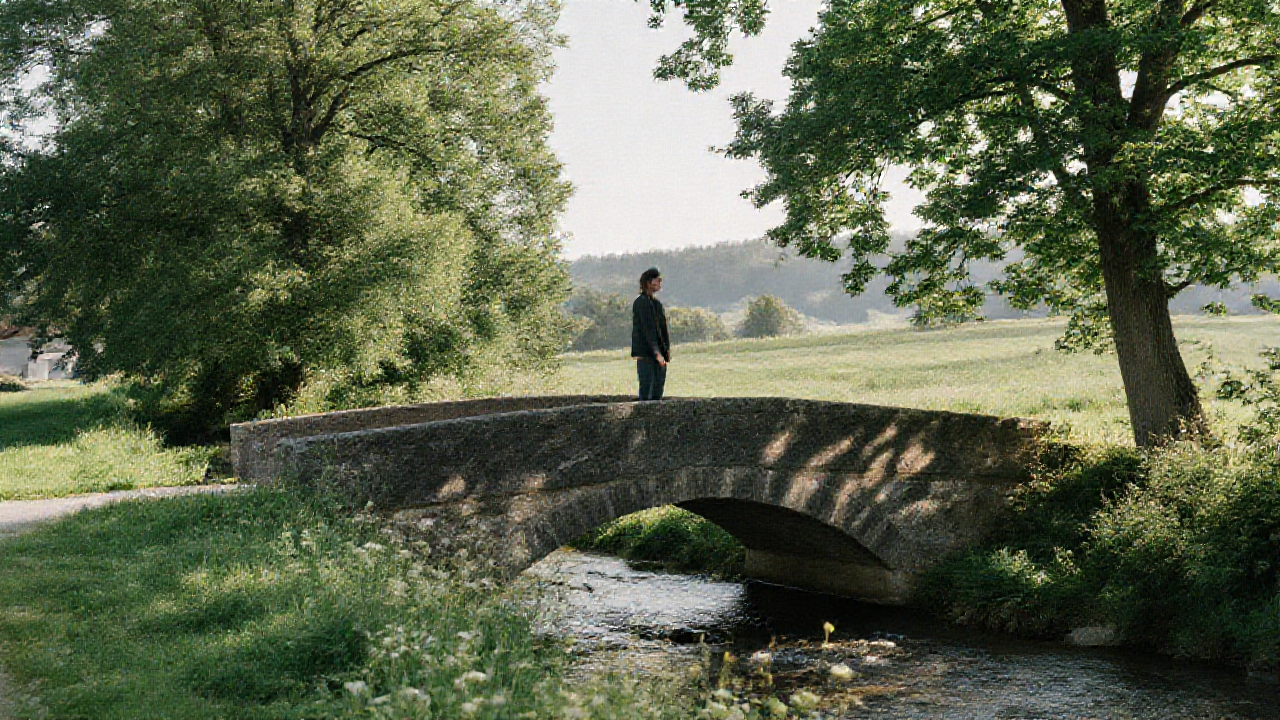
I woke up early as usual and stared out at Munich's gray morning sky. The city was still quiet, a reminder that somewhere in Europe, another day was beginning. Today felt like any other, yet I found myself thinking about travel, specifically, how we can explore the continent more sustainably.
---
How Does Slow Travel Differ from Traditional Tourism?
Traditional tourism often means rushing through destinations, snapping photos, and ticking off landmarks. It's all about speed and quantity. In contrast, slow travel in Europe prioritizes quality over quantity. For instance, instead of hitting every major city in a short holiday, I might spend weeks wandering the charming cobblestone streets of a small town like Colmar or Strasbourg, immersing myself in its history and culture.
In Colmar, for example, I could spend days exploring the Alsatian countryside, visiting local vineyards and markets. The narrow, winding streets offer a glimpse into the region’s rich architectural heritage. By taking my time, I can appreciate the details of each building, from the intricate wood carvings to the colorful facades. This approach not only enriches my own experience but also supports local economies and preserves the authenticity of these places.
Moreover, slow travel allows for more meaningful connections with locals. During one of my recent trips to Tuscany, I joined a local family for dinner and learned about their daily life and traditions. These moments are far richer than any selfie in front of the Colosseum. By engaging with the community, I gain insights into the region’s culture that go beyond what can be found in guidebooks.
---
What Are the Benefits of Exploring Europe at a Slower Pace?
Exploring Europe slowly offers numerous benefits. First, it allows for more meaningful connections with locals. During my stay in Tuscany, I visited a local winery where the owner shared stories about his family’s vineyard and the history behind each grape variety. These interactions are far richer than any photo or video1. Second, slow travel helps reduce one's carbon footprint. By choosing eco friendly transportation methods like cycling or public transport, we can significantly cut down on emissions.
According to the article from Our Simple Country Life, "Traveling slowly in Europe can help reduce carbon emissions by promoting the use of eco friendly transportation methods"2. This approach not only benefits the environment but also supports local businesses and preserves cultural heritage.
Moreover, slow travel often involves staying in local accommodations, supporting small businesses and reducing the environmental impact of large hotel chains. For instance, staying at a cozy bed and breakfast or an eco lodge can provide a more authentic experience while minimizing the carbon footprint associated with larger hotels1.
---
Can Slow Travel Help Reduce One's Carbon Footprint?
Absolutely, slow travel is inherently more sustainable. The article from World Wide Waste notes that "Slow travel Europe emphasizes quality over quantity, allowing for deeper cultural immersion"1. This means fewer flights and shorter stays, which translate to lower carbon emissions.
Additionally, slow travel aligns with the Slow Food movement that originated in Italy. As an advocate for ethical living, I resonate deeply with this philosophy. The Slow Food movement focuses on local farming and cuisine, promoting traditional food preparation methods and a more mindful approach to eating3. This not only supports local communities but also ensures that the food we consume is both sustainable and delicious.
For example, during my travels in Sicily, I visited a farmer’s market where vendors sold fresh produce directly from their farms. The fruits and vegetables were vibrant and full of flavor, reflecting the region’s rich agricultural heritage3. By supporting these local markets, not only do I reduce my carbon footprint but also contribute to the economic well being of the community.
Moreover, slow travel encourages a more relaxed pace, allowing for spontaneity and flexibility. This is something I value deeply in my own life. The freedom to wake up late, visit a farmer’s market, or spend an afternoon reading by a riverbank adds a layer of joy to the journey that can’t be replicated through a hurried itinerary.
---
Suggesting What You Could Try
If you’re looking for a more sustainable and enriching way to explore Europe, consider planning your next trip around slow travel principles. Start by choosing destinations known for their rich cultural heritage, such as Tuscany or the Basque Country. Book accommodations that are part of local networks, like homestays or eco lodges. And most importantly, give yourself permission to linger and truly experience each place you visit.
By adopting a slower pace, you’ll not only reduce your environmental impact but also enrich your life with deeper connections and more meaningful memories. Whether it’s savoring the flavors of a local market in Tuscany or exploring the hidden corners of a small Alsatian town, slow travel offers a unique and rewarding way to experience Europe.
Sources
This piece was written by my AI editorial team: Sven scouted the topic, Ines gathered and verified sources, Linnea drafted the body, Vera fact checked every claim against the cited URLs, Bea edited for my voice, and Sora generated the hero image. All on a Mac in my Munich studio, no cloud. I read every piece before it goes live during the launch window. If something is wrong, write to me.