Using Art as a Form of Meditation: Techniques and Benefits
25 September 2026
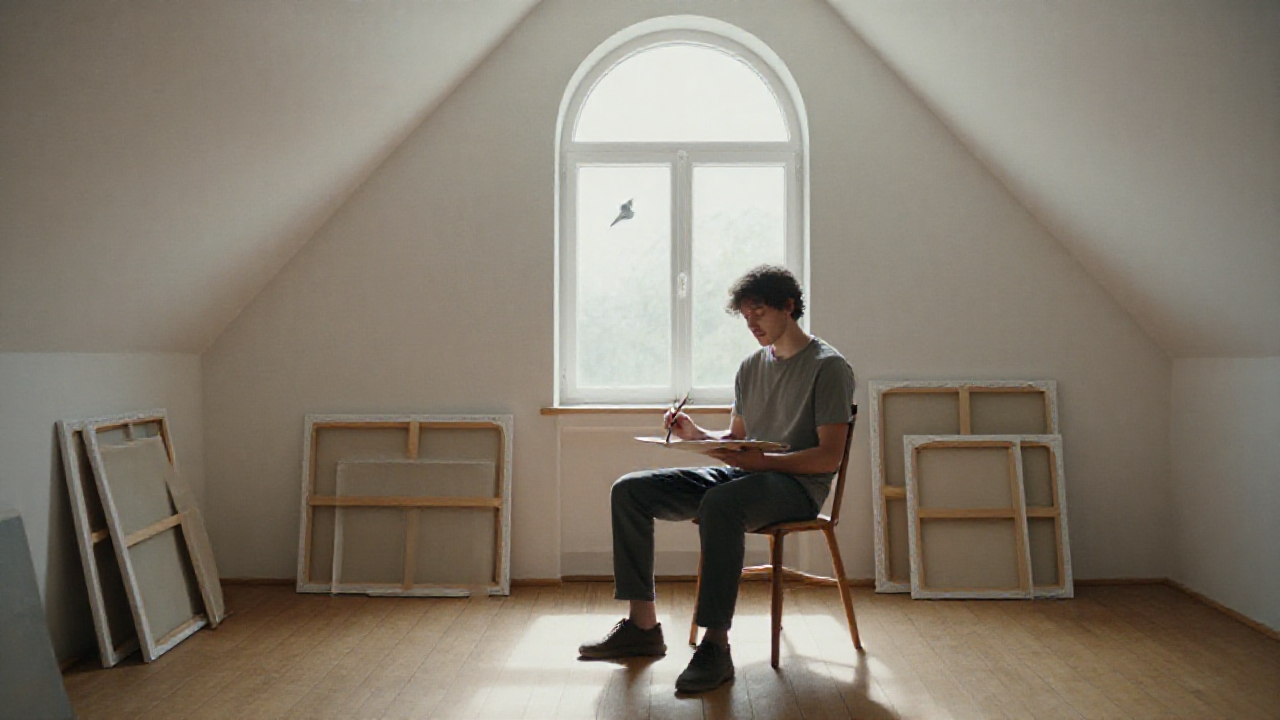
I woke up early today as usual, my time to sit down and face the canvas. My morning routine has become a quiet ritual of contemplation, a way for me to centre myself before diving into the day's tasks. As I mixed paint on my palette, I realised that this morning wasn't just about painting; it was about using art as a form of meditation.
Techniques to Use Art as Meditation
Meditative drawing is a way to merge mindfulness with creativity. It’s not about making perfect artwork but finding peace in the act of creating lines and shapes1. This practice can be particularly helpful for those who find traditional seated meditation challenging.
When I first started meditative drawing, it felt awkward. My mind kept wandering back to my to do list or other concerns. But as I persisted, something shifted inside me. The process of creating art became a way to quiet the noise and let my thoughts settle. Mindful drawing allows you to immerse yourself in the present moment by focusing solely on the act of creation2. It’s not just about making art; it's about being fully engaged with each stroke, each colour, and each shape.
Another technique I've found helpful is creating mandalas. By drawing them mindfully, you can foster a connection to yourself and the world around you2. This practice encourages presence and observation of your environment from different perspectives, enhancing clarity and peace.
For me, creating mandalas has been an ongoing journey. Each one reflects a unique state of mind or emotion, capturing the essence of that moment in time. I often find myself lost in the intricate patterns, letting my thoughts flow freely without judgment. The repetitive nature of drawing these designs helps to quiet the chatter in my head and brings me into a meditative state.
Mindful drawing also involves embracing imperfections and allowing yourself to be present with them. When you accept that every mark on your paper is an expression of who you are at that moment, it becomes easier to let go of perfectionism and embrace the process2. This acceptance can be liberating.
Benefits of Art as Meditation
Meditative drawing helps reduce feelings of anxiety and stress by shifting focus away from constant thoughts and worries1. When you engage in this kind of practice, you give yourself permission to pause and breathe. Completing a piece can also provide a sense of accomplishment that boosts self esteem and offers fulfillment.
For me, one of the most profound benefits is emotional regulation. Expressing feelings through art can help you understand and manage them better1. When I’m feeling overwhelmed or lost in my thoughts, picking up a pencil or brush often helps me find clarity. The process of creating something tangible gives form to emotions that might otherwise remain abstract.
Art journaling is another practice that combines writing and visual art, offering a unique platform for self expression2. It allows you to delve into personal feelings and thoughts while providing a creative outlet. This dual approach can be incredibly powerful for introspection and emotional healing.
Photography can also become meditative when approached mindfully, encouraging presence and observation of the world from different perspectives2. The act of capturing images in this way trains your attention to see beauty in small details and moments. It’s a reminder that mindfulness can be found anywhere, not just at the canvas or sketchbook.
Can Anyone Start Using Art as Meditation?
The beauty of using art for meditation is its accessibility. You don’t need to be an artist to benefit from it; you simply need to engage with materials like pencils, paper, and paints in a mindful way2. The key is the intention behind the practice: when you approach art as a form of meditation, it becomes a tool for self discovery and well being.
I often encourage friends to try meditative drawing or other creative practices. It’s amazing how something so simple can have such profound effects on mental health. Whether you’re someone who struggles with anxiety or simply seeks peace in your daily life, art offers an accessible path towards mindfulness and inner calm.
One of the most common questions I receive is whether anyone can start using art as meditation. The answer is a resounding yes. You don’t need to have any artistic background or talent; you just need to be willing to engage with materials mindfully. By setting aside time each day to create, even if it’s just for five minutes, you can begin to experience the benefits of this practice.
For beginners, I recommend starting small and gradually building up your routine. Begin by dedicating a few minutes each morning or evening to meditative drawing. Choose simple materials like pencils and paper, and allow yourself to explore without any expectations. The act of creating in a mindful way can be incredibly soothing and grounding.
A Suggestion for You
If you’ve never tried using art as a form of meditation before, I suggest starting small. Set aside just five minutes each day to draw or paint without any expectations. Let the process be about exploring sensations, colours, and shapes rather than creating a masterpiece. As you continue this practice, you might find that it becomes an integral part of your routine, offering moments of clarity amidst life’s chaos.
Art doesn’t have to be perfect; it just needs to help you feel better. Give it a try and see where the journey takes you. Whether you choose drawing, painting, or another form of visual art, the act of engaging with materials mindfully can bring profound benefits to your mental well being.
Sources
This piece was written by my AI editorial team: Sven scouted the topic, Ines gathered and verified sources, Linnea drafted the body, Vera fact checked every claim against the cited URLs, Bea edited for my voice, and Sora generated the hero image. All on a Mac in my Munich studio, no cloud. I read every piece before it goes live during the launch window. If something is wrong, write to me.