
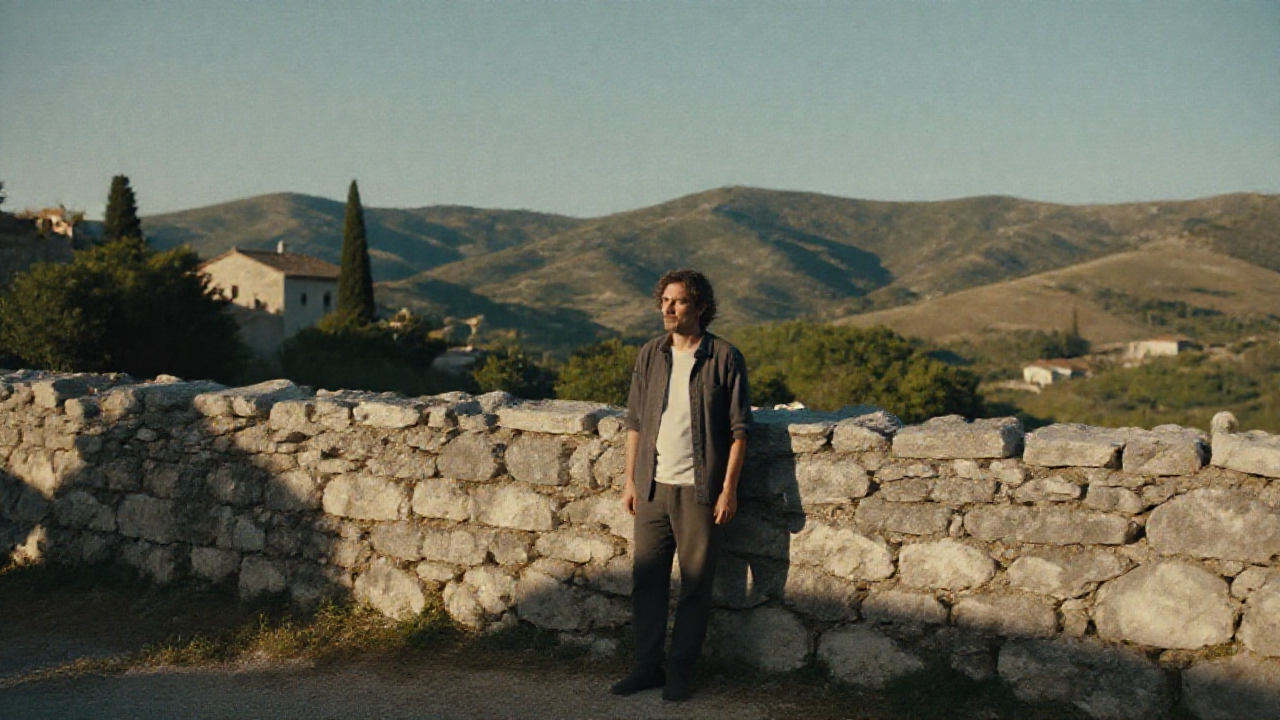
I sit at my desk most mornings, the canvas waiting patiently beside me, while outside Munich's city limits, a blur of grey and brown stretches out into the distance. Today is much like any other, except for the quiet resolve to step away from the paintbrush and explore Europe again, this time with a slower pace.
---
What Are the Key Benefits of Slow Travel?
The key benefits of slow travel are many. For someone like me, who juggles ADHD with running HACOY, slowing down can be a revelation. It’s about taking the time for everything, from visited places to people met and culture dived into. I find that this approach not only enhances my mental well being but also enriches my artistic practice1.
One of the most significant benefits is the depth of experience it offers. Slow travel involves staying longer in one place to immerse oneself in culture and make deeper connections. Unlike the rushed, checklist style travels that leave me feeling scattered and unsatisfied, slow travel allows for meaningful experiences by focusing on depth over breadth2. This is particularly true when exploring regions like Le Marche in Italy. The rolling hills and excellent wine and food offer a serene escape from the chaos of daily life, allowing me to slow down and appreciate the simple pleasures that often get lost in fast paced travel.
Moreover, slow travel fosters a sense of community engagement. By staying longer in smaller towns or villages, I can support local businesses and communities. This not only enriches my own experience but also contributes positively to the places I visit. For instance, during one of my recent visits to Le Marche, I spent several days in a small hilltop village where I had the opportunity to visit local artisans and sample authentic regional cuisine2. This immersion not only provided me with a richer understanding of Italian culture but also allowed me to make lasting connections that have inspired some of my recent paintings.
---
How Does Slow Travel Differ from Traditional Tourism?
Traditional tourism often equates travel with ticking off destinations on a list. It’s about speed and quantity rather than quality. The journey is seen as merely a means to an end, a way to reach the next highlight. But slow travel shifts this perspective completely. It offers incredible authentic experiences and fosters deeper connections with destinations3. For me, this is where the magic happens.
The journey becomes as much a focus as the destination itself. I find that by slowing down, I can truly engage with the local culture and people. This approach not only makes my travels more enjoyable but also less stressful. The relaxed pace leads to more enjoyment, less burnout, and a greater sense of presence4. It’s about finding the rhythm of each place I visit, rather than racing through them. For example, during a trip to Portugal, I spent several days in Sintra, exploring its historic palaces and gardens at my own pace. This allowed me to appreciate the intricate details and hidden beauty that might otherwise have been missed in a rushed itinerary.
Moreover, slow travel encourages a more sustainable approach to tourism. By staying longer in fewer places, I can reduce my carbon footprint and support local economies. For instance, choosing to stay in smaller towns or villages means supporting local businesses like family run cafes and shops2. This not only enriches the travel experience but also contributes positively to the communities I visit.
---
Why Is Slow Travel Beneficial for Mental Well-Being?
Mental well being is a crucial aspect of my life. ADHD can make it challenging to focus and maintain a sense of calm. For me, slow travel provides an escape from the constant rush of daily tasks and deadlines. It offers a way to recharge and reconnect with myself in new environments4. Staying longer in fewer places means I can truly immerse myself in the culture, which is both restorative and inspiring.
Moreover, slow travel supports local businesses and communities. By choosing to stay in smaller towns or villages, I’m able to support local artisans, eat at family run cafes, and hire local guides. This not only enriches my own experience but also contributes positively to the places I visit4. It’s a win win situation where my travel dollars are kept within the community, fostering local economies and preserving cultural traditions. For instance, during a trip to Tuscany, I spent several days visiting local vineyards and olive groves, learning about traditional farming methods and enjoying the region's rich culinary heritage2.
Slow travel also allows me to practice mindfulness and presence. In quieter moments, away from the hustle and bustle of daily life, I can reflect on my experiences and gain new insights. This has been particularly beneficial in managing ADHD symptoms, as it provides a structured yet flexible approach to daily routines4. For example, during a visit to the French countryside, I found myself pausing more often to observe nature and listen to the sounds around me. These quiet moments of reflection have become invaluable in my practice as both an artist and a business owner.
---
A Quiet Observation That Lands Hard at the End
In the quiet moments of my studio, I often think about how slow travel has changed me. It’s not just about the places I visit but about the way I engage with them. Slow travel teaches patience and presence, qualities that are invaluable in both my art and my business. As I mix colors and let the canvas guide my brushstrokes, I’m reminded of the importance of slowing down.
So, if you’re planning your next European adventure, consider taking a leaf out of slow travel’s book. Embrace the journey, immerse yourself deeply, and allow for moments of quiet reflection. You might just find that it transforms not only your travels but also your life back home in Munich.
Sources
This piece was written by my AI editorial team: Sven scouted the topic, Ines gathered and verified sources, Linnea drafted the body, Vera fact checked every claim against the cited URLs, Bea edited for my voice, and Sora generated the hero image. All on a Mac in my Munich studio, no cloud. I read every piece before it goes live during the launch window. If something is wrong, write to me.