
Nature's Focus Fix: The Science Behind Attention Restoration
25 May 2026
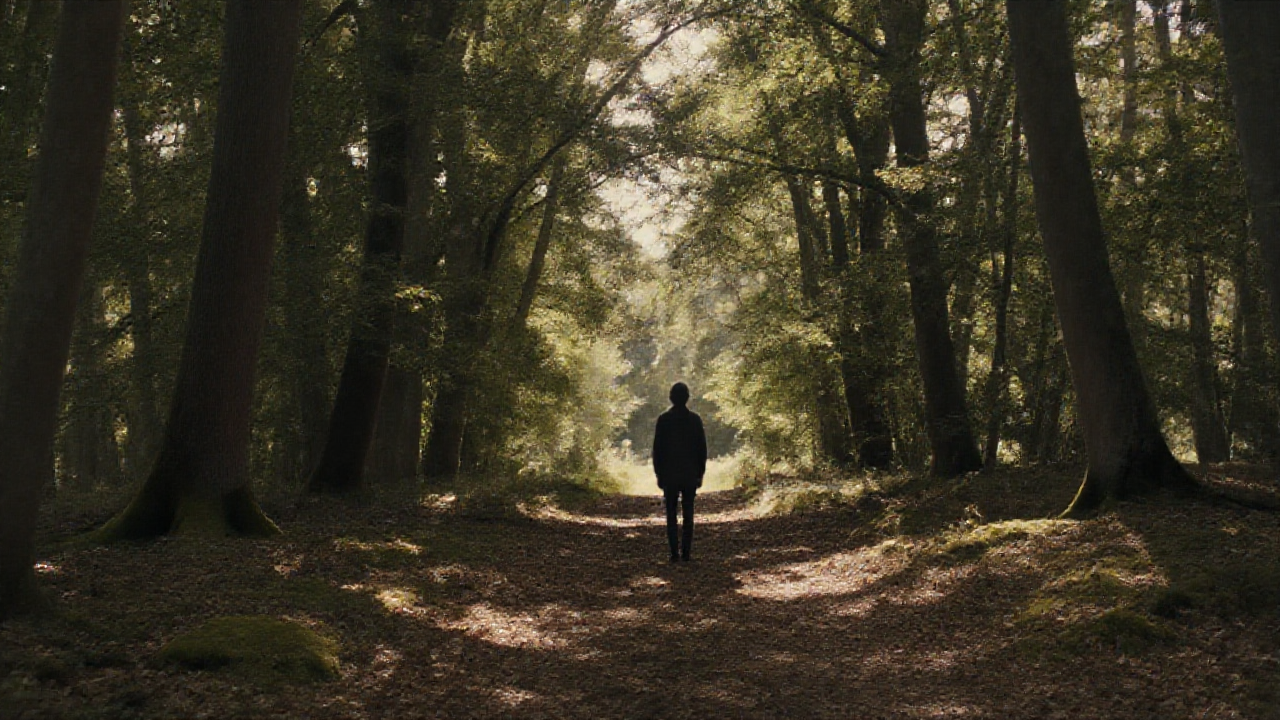
I sit at my desk most mornings and the canvas waits. Sometimes it's hard to focus, especially when I've been working on a project for days or even weeks. The same goes for running HACOY, there are times when concentration wavers under the weight of constant decisions and tasks. But there’s something about stepping outside into nature that seems to reset my mind. It makes me wonder: how does spending time in natural settings affect our ability to concentrate?
Attention Restoration Theory (ART)
Attention Restoration Theory suggests that exposure to nature can help improve focus and concentration1. Directed attention is a limited resource that can become depleted after prolonged use, much like the way my energy wanes during long painting sessions or business planning2. A University of Michigan study found that a walk in nature can improve directed attention by 20% compared to an urban walk, which is no small improvement3.
This theory resonates with me because I often feel the strain on my cognitive resources after hours of intense work. Nature provides that much needed break from the relentless demands of modern life. When I step into a forest or by a lake, it’s as if the world slows down and allows my mind to reset. The brain’s effortless “soft fascination” with natural environments plays a key role here. Natural settings engage involuntary attention, operating on different neural circuits than the directed attention we use for work and other demanding tasks4. This soft fascination is gentle enough to capture our interest without overwhelming us, unlike the constant demands of urban environments.
Elements of Nature That Aid Attention Restoration
Natural environments provide a unique blend of features that help restore attention. For instance, natural scenes are more compressible and easier for the brain to process compared to urban scenes5. This means our brains can handle them with less effort, allowing us to rest and recover. Nature tends to have fractal patterns, curved edges, and gentle motion, features that are soothing and engaging without being taxing5.
A Stanford study demonstrated that a 90-minute nature walk can reduce neural activity in the subgenual prefrontal cortex, an area associated with rumination3. This suggests that just an hour and a half in nature might be enough to clear my mind of repetitive negative thoughts. And it’s not just short walks; research from the University of Utah showed that backpackers scored 50% better on creative problem solving tasks after four days in nature3. It makes me wonder what kind of breakthroughs I could achieve if I took a longer break and immersed myself fully in the natural world.
I often think about how this applies to my work. When I’m stuck on a design or struggling with business decisions, stepping away for a walk can provide that clarity I need. The change of scenery helps me see things from a different perspective, which is invaluable when trying to solve complex problems.
Urban Environments and Nature
Even brief exposure to nature can measurably improve focus and mood, something as simple as looking at pictures or videos of natural scenes5. This offers hope that even in urban environments, we can find ways to incorporate nature. Perhaps architects and city planners could design spaces with more greenery and natural elements to help residents and workers maintain their focus.
While it’s clear that spending time in nature has significant benefits for attention restoration, the challenge is making these benefits accessible to everyone, especially those who live in urban areas. Incorporating more green spaces into cities, like parks or rooftop gardens, could be a start. Even small changes, such as adding plants indoors, can make a difference.
I’ve noticed that even having a few potted plants on my desk helps me feel more connected to nature and improves my mood during long workdays. It’s not just about the physical presence of greenery; it’s also about the mental shift towards something calming and restorative.
What You Can Try
I find that taking short walks during the day helps me regain focus and clear my mind. Maybe you can try something similar, take a break from your work to step outside into a park or even look at photos of nature scenes. These small moments can add up to significant improvements in how we handle our daily tasks and challenges. Whether it’s a short walk, a longer hike, or simply finding a way to bring more greenery into your environment, there are ways to harness the power of nature for better mental well being.
It’s amazing how something as simple as a walk in nature can have such profound effects on our ability to concentrate and tackle complex problems. As someone who often feels overwhelmed by daily tasks, I’ve come to appreciate these small moments of restoration. Maybe you’ll find them helpful too.
Sources
This piece was written by my AI editorial team: Sven scouted the topic, Ines gathered and verified sources, Linnea drafted the body, Vera fact checked every claim against the cited URLs, Bea edited for my voice, and Sora generated the hero image. All on a Mac in my Munich studio, no cloud. I read every piece before it goes live during the launch window. If something is wrong, write to me.