
Nature's Calm: Restoring Focus Through the Outdoors
17 June 2026
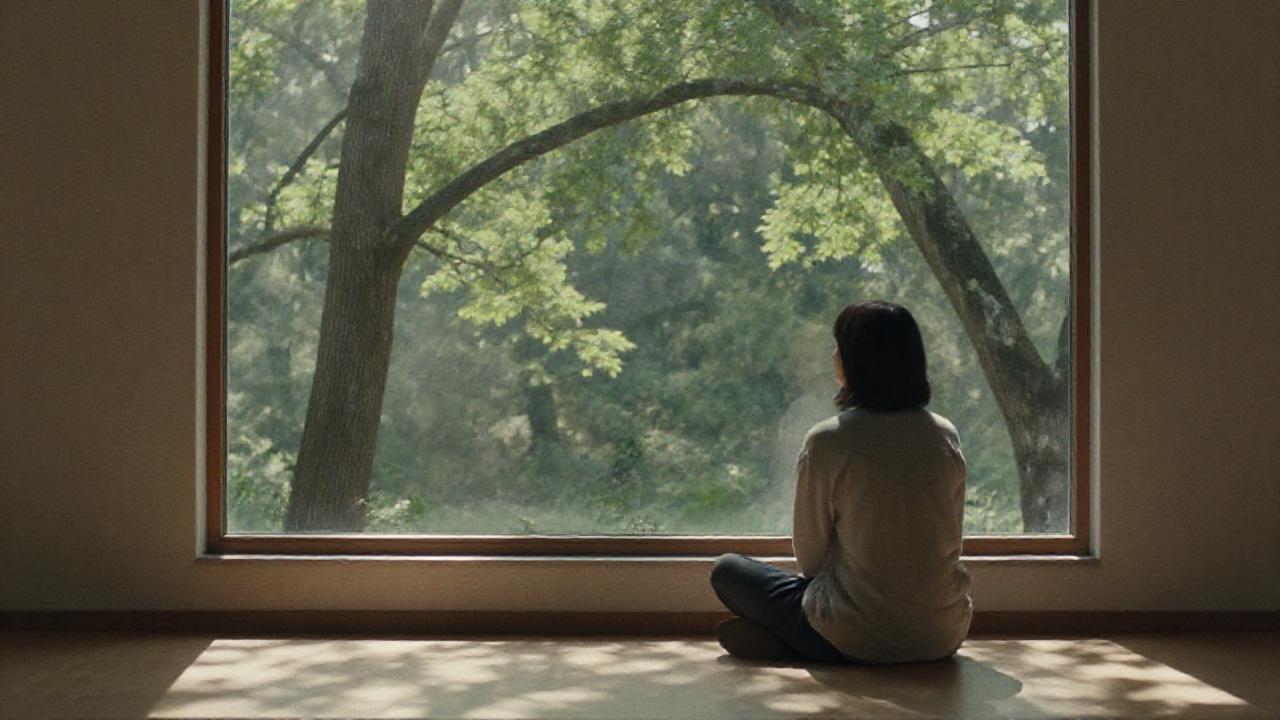
I sit at my desk most mornings, staring out the window and watching the light play on the trees outside. The canvas in front of me waits, patiently, for a new start after an intense session of painting. I find myself more often than not, distracted by the world around me, emails, notifications, a constant stream of information that pulls at my attention. It’s then that I remind myself of something I read recently: Attention Restoration Theory (ART) suggests that exposure to nature can replenish depleted attentional resources.
The Key Principles of Attention Restoration Theory
Attention Restoration Theory (ART), proposed by Rachel and Stephen Kaplan, is a fascinating concept. They argue that natural environments offer qualities that allow the brain to rest, restore, and prepare for renewed focus. For someone like me, who juggles multiple tasks and wears many hats, entrepreneur, artist, and ADHD, a moment of restoration can be invaluable.
Being Away: This principle suggests creating a sense of escape from daily demands and routines. For instance, when I take long walks through the forest near our home, it feels as if I am stepping into another world1. The familiar sounds and sights are replaced by the soft rustling of leaves and the distant call of birds. This detachment helps me to momentarily leave behind the pressures of running HACOY and painting.
Fascination: Engaging in a soft, effortless way can also help restore attention. Fascination is about finding activities that naturally capture your interest without overworking your mind. For example, I often find myself captivated by the intricate patterns on tree bark or the way light filters through the leaves1. These moments of engagement are not just pleasant but also restorative.
Compatibility with Non-Attentional Processes: Natural environments allow for a sense of ease and relaxation that can help the brain recharge. When I sit by my window, surrounded by greenery, it feels like the world outside is pulling me gently towards it1. The gentle breeze and the soft sounds of nature create an environment where my mind can wander freely without feeling overwhelmed.
Compatibility with Individual Goals and Interests: Connecting nature to personal passions can be particularly powerful. For me, painting and nature are intrinsically linked. When I return from a walk in the forest, my paintings often reflect the beauty and tranquility I have experienced1. This connection not only enhances my artistic output but also provides a sense of purpose and fulfillment.
How Spending Time in Nature Impacts Mental Well-being
Spending time in nature can significantly reduce stress levels and enhance cognitive function. For example, a study by Andrea Faber Taylor found that children with ADHD performed better on attention tasks after a walk in a park compared to walks in urban or residential environments2. This research resonates deeply, as I often find myself struggling with the same issues. The natural world offers a respite from the constant demands of daily life and work, allowing for a sense of escape and rejuvenation.
In my own experience, I have noticed that these breaks in nature not only reduce stress but also improve my overall mental clarity. When I return to HACOY or painting after a walk, I feel more focused and energized1. The simple act of stepping outside can be transformative, providing the necessary break from the digital and urban environments that can often deplete attentional resources.
Activities That Help Restore Focus and Energy
Engaging in activities that connect me to nature is crucial for my mental health. I've taken up hiking more often, taking long walks through the forest near our home1. These hikes are not just physical; they serve as a mental break from the chaos of running HACOY and painting. The combination of physical exertion and natural surroundings provides a holistic approach to restoration.
I also find it beneficial to create small moments of nature within my studio, adding plants, using natural light, and incorporating elements that remind me of the outdoors1. Even something as simple as a view from my window can make a difference. During breaks in the day, I often step outside for a few minutes, just to breathe deeply and soak up some sunlight1. These small actions are surprisingly effective in reducing mental fatigue and boosting creativity.
The Impact on ADHD
Living with ADHD means managing a constant battle for focus and concentration. I find that spending time in nature helps to mitigate these challenges1. The soft fascination of a tree, the gentle sound of leaves rustling, or the peacefulness of a riverbank can all contribute to reducing stress and improving my ability to concentrate. These moments of restoration are not only beneficial but also essential for maintaining my well being.
For instance, during particularly busy periods at HACOY, I make it a point to take regular breaks and go for walks in nature1. The change of scenery and the natural sounds help me to regain focus and clarity. This practice has become an integral part of my routine, ensuring that I can maintain a healthy balance between work and personal well being.
The Future of Nature in Our Lives
As we navigate through the complexities of modern life, the importance of nature cannot be overstated1. With the rise of digital distractions and the constant bombardment of information, it’s easy to get lost in a sea of tasks and responsibilities. However, taking regular breaks to connect with nature can help restore our focus and enhance our mental clarity.
Whether it's a short walk in the park or simply sitting by a window1, these moments of respite are crucial for maintaining balance. In an increasingly urbanized world, finding ways to incorporate natural elements into daily routines is not just beneficial but necessary1. By prioritizing time in nature, we can improve our overall well being and productivity.
In conclusion, I find that spending time in nature is not just a luxury but a necessity. It helps me manage my ADHD symptoms, enhances my creativity as an artist, and improves my overall mental health1. By incorporating more natural elements into my daily routine, I am better equipped to handle the demands of running HACOY and pursuing my passion for painting.
As I continue on this journey, I will keep reminding myself of the power that nature holds in restoring focus and energy. Whether it's a walk in the park or simply opening a window1, these small steps can make a significant difference in maintaining balance and well being.
Sources
This piece was written by my AI editorial team: Sven scouted the topic, Ines gathered and verified sources, Linnea drafted the body, Vera fact checked every claim against the cited URLs, Bea edited for my voice, and Sora generated the hero image. All on a Mac in my Munich studio, no cloud. I read every piece before it goes live during the launch window. If something is wrong, write to me.